Which wild animals live in Hilversum, and how do they move through gardens, parks and streets? As part of the Interreg NWE URBAN project, the Municipality of Hilversum is working with residents and volunteers to monitor urban wildlife using wildlife cameras.
Monitoring wildlife across Hilversum
From 28 September to 15 November 2026, 32 wildlife cameras were placed in gardens, on private land and in public green spaces across the city. The project received an enthusiastic response from residents across Hilversum. Many offered their gardens for a camera, while others volunteered to help place and manage them. This community engagement is besides research and finding solutions also an important part of URBAN's monitoring and citizen science activities.
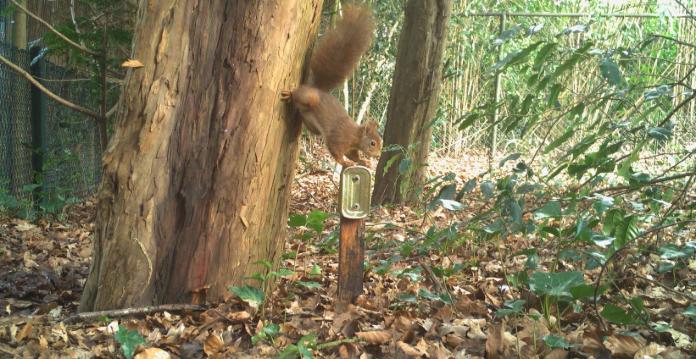
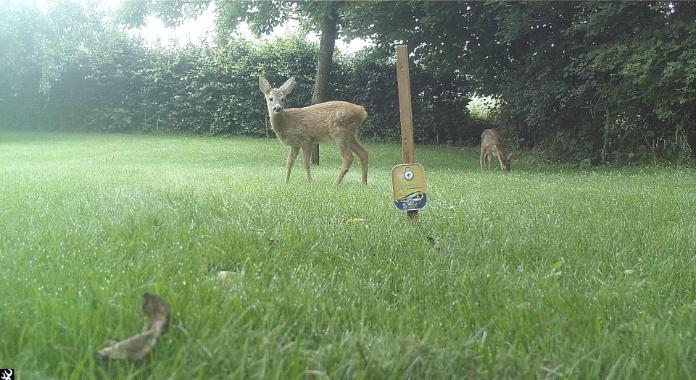
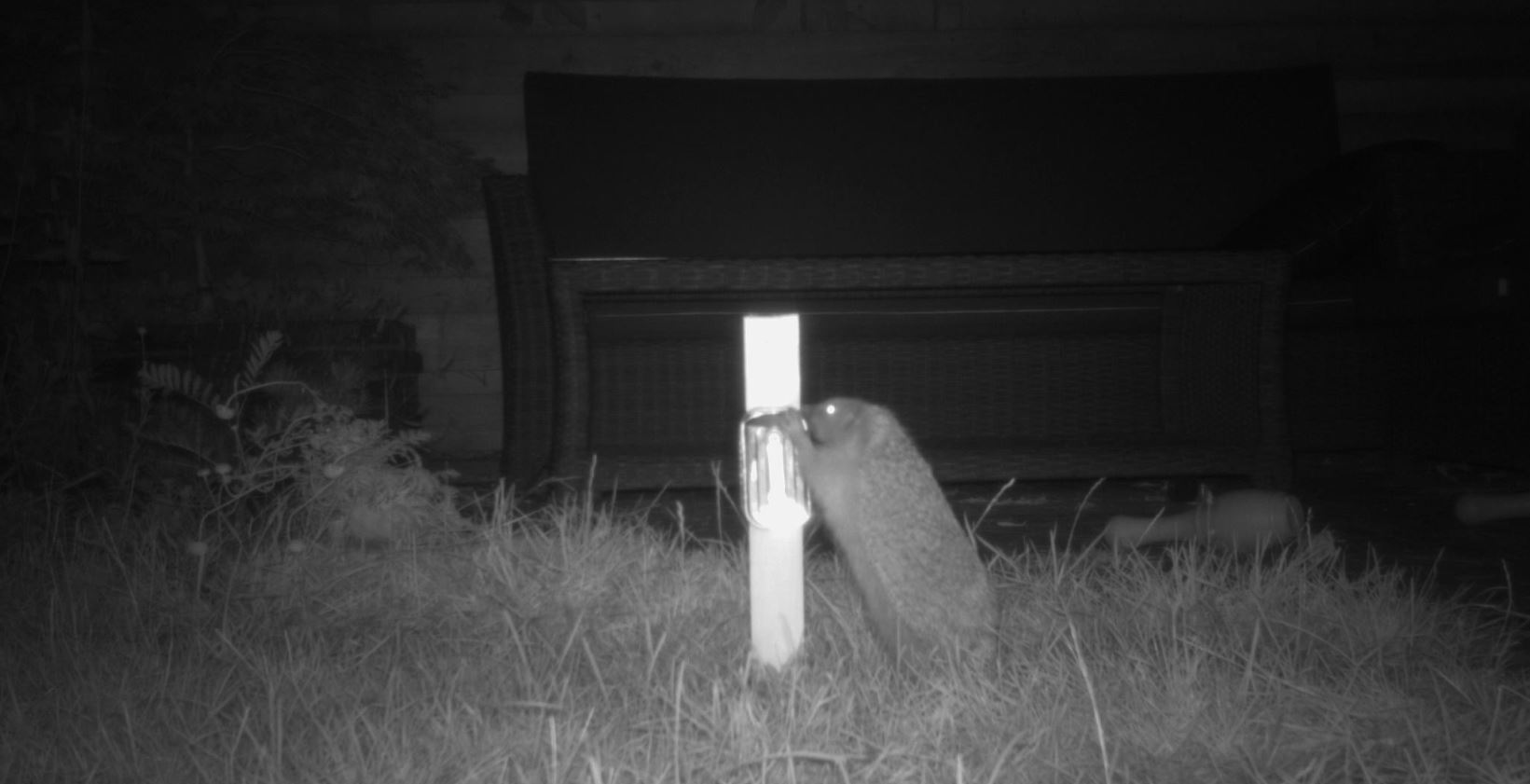
The cameras automatically take photographs when movement is detected, both during the day and at night. The images help our ecologists better understand which animals live in Hilversum and how they use their habitats.
Creating better wildlife corridors
Hilversum has many green spaces, but roads, fences and buildings make it difficult for animals to move safely between them. By monitoring wildlife, Hilversum gains valuable information about the presence and movement of urban animals. This knowledge helps identify opportunities to improve ecological connectivity and strengthen biodiversity.
Supporting the URBAN pilot project
The monitoring activities contribute to the pilot projects in Hilversum, which focus on strengthening ecological connections between neighbourhood green spaces and larger heathlands in eastern Hilversum.
The pilot aims to improve wildlife corridors for species such as hedgehogs, bats and red squirrels. Wildlife monitoring helps support decisions about measures to remove barriers and create safer routes through the urban landscape.