
Pilots in Hilversum - The Netherlands
Partner organisation: Hilversum
Myrte Mijnders and Tijmen Scharff
As part of the Interreg NWE URBAN project, the Municipality of Hilversum is implementing two local pilot areas to improve ecological connectivity for urban wildlife. The pilots contribute to the ambitions of Programma Groen Hilversum 2040 and support connecting urban green spaces with surrounding natural areas.
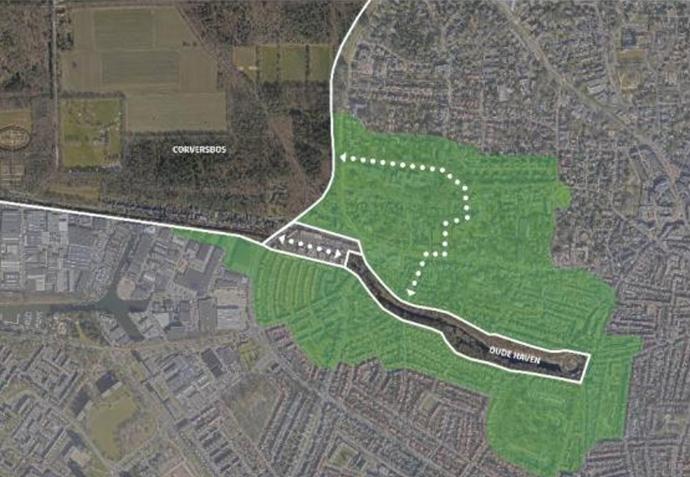
Pilot Area A:
Oude Haven - Gooische Vaart - Coversbos
Improving ecological connections between waterways, urban green spaces and woodland habitats in western Hilversum.
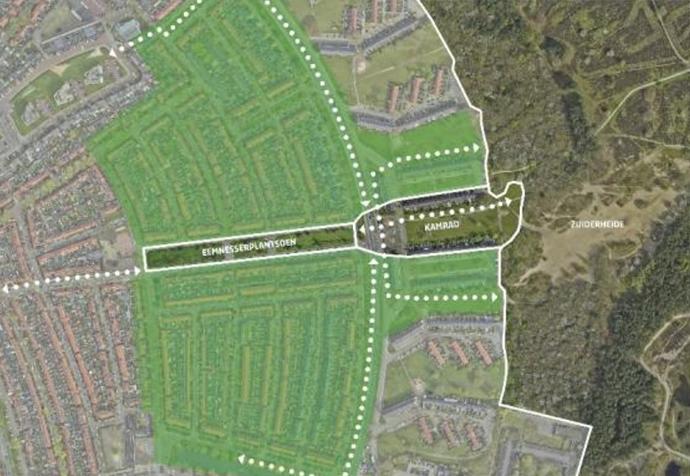
Pilot Area B:
Eemnesserplantsoen - Kamrad - Zuiderheide
Strengthening ecological connections between neighbourhood green spaces and larger heathlands in eastern Hilversum.
Layer and species
The Hilversum pilots focus on improving connectivity across several ecological layers, particularly the shrub layer, canopy layer, and air layer.

Shrub Layer- Hedgehogs
- Requires safe routes between feeding, nesting and hibernation sites.
- Roads, fences and curbs form a barrier.
Air Layer – Bats
- Depend on dark flight corridors and linear landscape features for navigation between roosting and foraging sites.

Canopy Layer - Red Squirrel
- Depends on connected tree canopies for movement.
- Forced to cross roads when canopy gaps occur, increasing mortality risks.
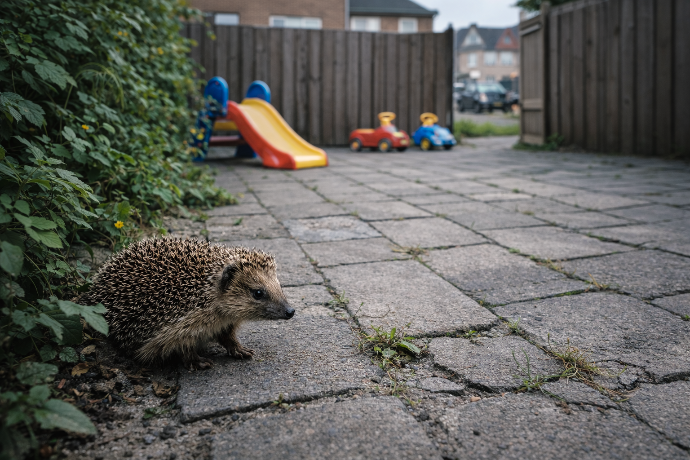
Barriers
As a garden city Hilversum is characterised by urban neighbourhoods with urban green spaces and gardens. While many valuable green spaces are present, ecological connectivity is often interrupted by urban infrastructure such as roads and fences. Or these green spaces do not fore see in food, shelter and reproduction sites for small urban wildlife.
Pilot Area A: Oude Haven - Gooische Vaart – Coversbos
Key barriers include:
- Waterways with steep embankments and hard revetments that restrict hedgehog movement and create ecological traps.
- Gaps in tree canopy connectivity between Oude Haven, Boombergpark and Coversbos, limiting safe movement for squirrels.
- Artificial lighting along paths and waterfronts that disrupt bat movement.
- Missing tree structures and guiding elements that break bat flight routes.
- Busy roads creating fragmentation and mortality risks for ground-dwelling wildlife.
- Human disturbance from recreation and dog walking.
- Fragmented land ownership, requiring cooperation with residents and businesses.
Pilot Area B: Eemnesserplantsoen - Kamrad - Zuiderheide
Key barriers include:
- Road infrastructure creating dangerous crossings for hedgehogs and other small mammals.
- Recreational facilities such as playgrounds and skate parks functioning as ecological bottlenecks.
- Gaps in linear tree structure that break bat flying routes.
- Limited shelter and refuge opportunities due to gaps in the shrubs vegetation
Goal
The overall goal is to strengthen ecological connectivity across Hilversum by removing barriers and creating functional wildlife corridors that allow animals to move safely through the urban landscape.
Approach
The pilots combine:
- Habitat restoration
- Wildlife-friendly infrastructure
- Ecological design in public spaces
- Community engagement
- Monitoring and citizen science activities
Pilot Area A:
- Improved shoreline accessibility for small mammals with a floating corridor.
- Enhanced shrub and ground-layer vegetation to provided shelter.
- Strengthening of canopy connections for squirrels with airbridges.
- Creation of darker ecological corridors for bats.
- Improved habitat quality and shelter opportunities along the corridor.
- Testing smart decision support tool for private owners
Pilot Area B:
- Wildlife crossing locations supported by monitoring cameras.
- Route guidance structures for hedgehogs and small mammals.
- Ecological integration of skatepark/playground.
- Improved habitat quality and shelter opportunities of the Kamrad area.
- Improved vegetation structure and habitat diversity.
- Testing smart decision support tool for private owners.
The final designs will be further developed together with residents, stakeholders and project partners.
Transnational learning and knowledge exchange
The Hilversum pilots are implemented within the international Urban consortium, allowing participating cities and organisations to exchange experiences, test solutions and jointly develop innovative approaches for urban biodiversity.
Local partners and stakeholders
Key stakeholders include:
- Local residents
- Local businesses
- Hilversum100
- IVN ‘t Gooi
- Goois Natuurreservaat (GNR)
- Natuurmonumenten
- Housing corporations
- Homeowner's associations
- Private landowners
Residents and stakeholders will be actively involved through:
- Participation workshops
- Community events
- Citizen science programmes
- Local ambassador networks
- Open days and launch events
As Lead Partner of the Urban project, Hilversum works closely with international partners through:
- Joint pilot development
- Communities of Practice
- International workshops
- Shared monitoring and evaluation activities
Activities - Activity timeline
Your title
A timeline is a graphical representation on which important events are marked.
You can edit, duplicate...
...and switch the timeline contents to fit your needs.
Use this timeline as a part of your resume, to show your visitors what you've done in the past.