
Habitats - Shrub
The shrub layer
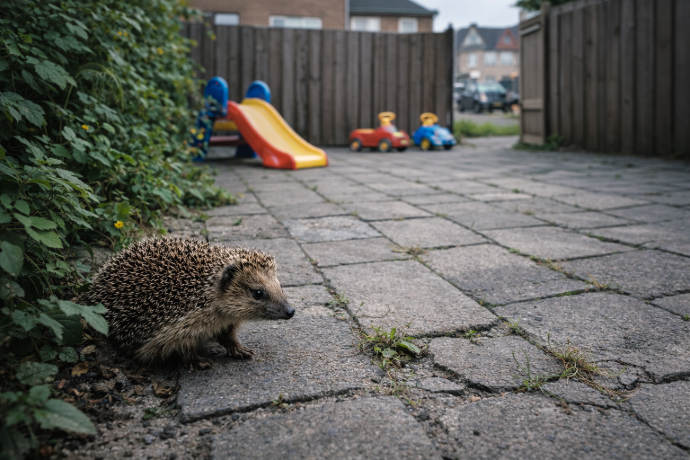
At ground level, beneath the trees and above the soil, there is a world hidden in the bushes: the shrub layer. This dense zone of hedges, bushes, and thick vegetation is home to ground-dwellers, including the hedgehog.
The shrub layer provides natural cover and places to find food. Hedgehogs travel great distances through this low greenery under the cover of night, searching for insects, worms, and snails. Thick bushes and leaf litter provide safe places to build nests for winter hibernation and protect hedgehogs from harsh weather and larger predators.
However, life in the shrub layer in cities faces challenges.
Challenges in de shrub layer
Fences and barriers
Solid garden walls and fences in gardens of city residents block hedgehogs from moving between green spaces to find food and mates.
Insufficient cover and connectivity
Removing fallen leaves, dead wood, and wild bushes leaves hedgehogs with fewer places to hide or build nests. Gaps between roads and urban green places also creates barriers, making it harder for hedgehogs to move through the shrub layer.
Crossing busy roads
Crossing roads between isolated patches of greenery poses a constant danger.
Hedgehogs are at risk of being hit by a vehicle.
Benefits for other urban wildlife
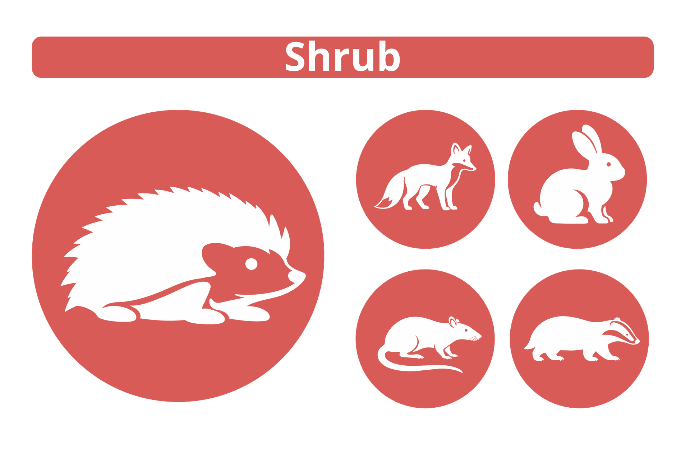
These measures implemented to support hedgehogs can also improve conditions for other ground mammals such as red foxes, wild rabbits, rats and badgers. These animals help disperse seeds and pollen, contributing to the overall health of urban environments.
Solutions
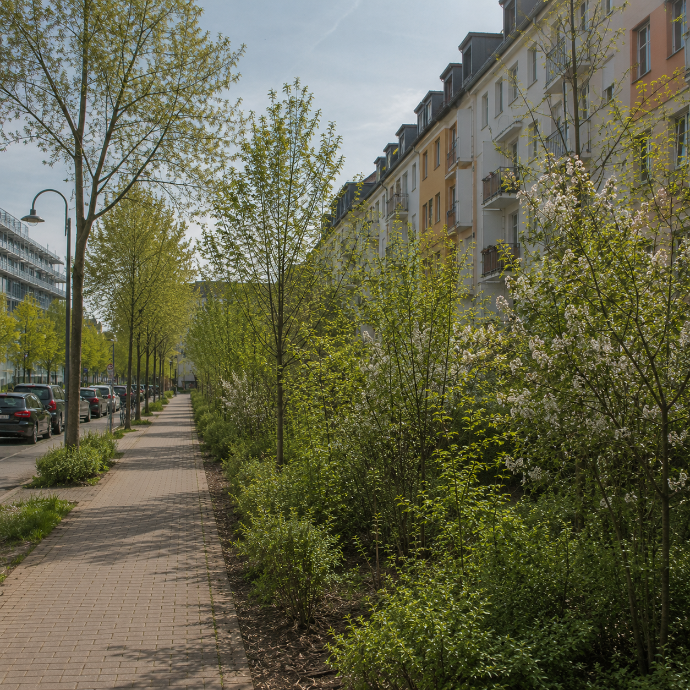
By planting native hedges, leaving wild corners and leaf litter in parks, and creating small openings in garden fences, European cities can keep the shrub layer connected and safe for ground dwelling animals like hedgehogs.
A strong aspect of the URBAN project is that its solutions for wildlife are not only implemented but also thoroughly researched and tested. Read more about this on the Pilots page.